
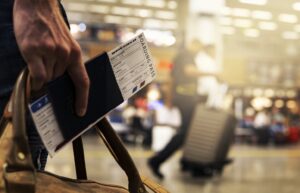
 It’s possible when flying you might see SSSS printed on your boarding pass. This stands for Secondary Security Screening Selection, and while it can add some time to the security process, it’s not something to be too concerned about. There are a lot of codes and other information on boarding passes and unfortunately this isn’t a fun one to receive. Nevertheless, anyone can be selected and this week we discuss how the TSA decides who gets additional screening, and what to do if this code shows up for you.
What is SSSS? When passing through security, this code alerts TSA that you’ve been chosen for additional screening. This can come in the form of pat-downs, extra luggage inspections, hand swabs for dangerous material, and more. It typically means an extra 15 minutes or so, but it’s a good idea to plan for 45 extra minutes in case TSA agents are busy with other passengers. If you have SSSS on your boarding pass, you won’t be able to check in online; instead you’ll be directed to see check-in staff at the airport for your boarding pass.
Who gets flagged for SSSS? There are many reasons why SSSS may show up. TSA uses what’s called the Secure Flight system which cross-checks passenger information against various databases including the No Fly List and information from the CDC. Other activity such as last-minute travel, paying for your ticket with cash, or even a one-way flight may trigger additional screening. However, it’s important to know that having SSSS doesn’t mean you’re at risk for being put on the No Fly List. In fact, a 2023 Senate report found that the vast majority of SSSS designations were assigned randomly.
How to prepare for enhanced security. If you’ve been selected for enhanced security, don’t panic. For domestic flights, the extra screening will typically take place at the regular TSA checkpoint. It helps spending some time making sure your bags can be easily accessed, and to take inventory of your most important item’s locations. Advanced imaging and possibly a pat-down are common, but know that you can complete these in private by asking a TSA agent. For international flights bound for the U.S., these screenings typically take place right at your flight’s gate in a curtained off area, rather than at the main security checkpoint. If you have the SSSS code, plan to show up extra early for your flight to get your boarding pass at the check-in desk and to clear the additional screening.
What if SSSS keeps showing up on my boarding pass? Anyone can require enhanced security from time to time through Secure Flight’s random selection, but if this code becomes common, there are some steps you can take. The Department of Homeland Security has a Traveler Redress Inquiry Program (DHS TRIP) that you can apply for at no cost. This results in a Redress Number. When booking a flight, you’ll see a box for this code that you can enter. The Redress Number can also be helpful for land border crossing as well.
Does having TSA Pre Check prevent SSSS? TSA’s Secure Flight system pre-screens passengers applying for TSA Pre Check and issues a Known Traveler Number (KTN), but this is separate from a Redress Number. Anyone can be selected for enhanced security randomly, but through the background check and fingerprinting, TSA Pre Check passengers are by definition considered lower risk.
The SSSS code can show up for anyone when flying, and it’s nothing to be too anxious about. However, be prepared for some additional screening. If it’s a common issue, know that a Redress Number can help lessen your chances. While TSA’s priority is to keep passengers safe, know that you can receive your screening in private – just ask.
 My goal is to simplify travel-planning through an equal exchange process where I acquire your ideas and expectations for your trip relieving you of the worry, hassle, stress and time that accompanies Do-It-Yourself planning.